Do Capsule Houses Require Taxes? What You Should Know Before Buying
With the rise of compact living and modular accommodation, capsule houses are becoming a popular choice for personal retreats, backyard offices, and commercial rental projects. But many buyers still wonder: Do you need to pay taxes on a capsule house?
The answer isn’t absolute—it depends on how the unit is installed and how you plan to use it.
In most regions, a capsule house is taxed based on whether authorities classify it as real property or movable property. If the unit is permanently fixed to the ground—such as through a concrete foundation or long-term utility connections—it may be treated similarly to a traditional residence. In that case, local governments might charge property tax just like they would for a permanent home.

If the capsule house remains movable, sits on a trailer structure, or can be relocated without altering the land, it is usually regarded as personal property. These units typically avoid property tax, though you may pay sales tax or import duty at the time of purchase.
For commercial applications such as glamping, Airbnb hosting, or short-stay resorts, additional taxes may apply, including business tax or lodging tax, depending on local laws.
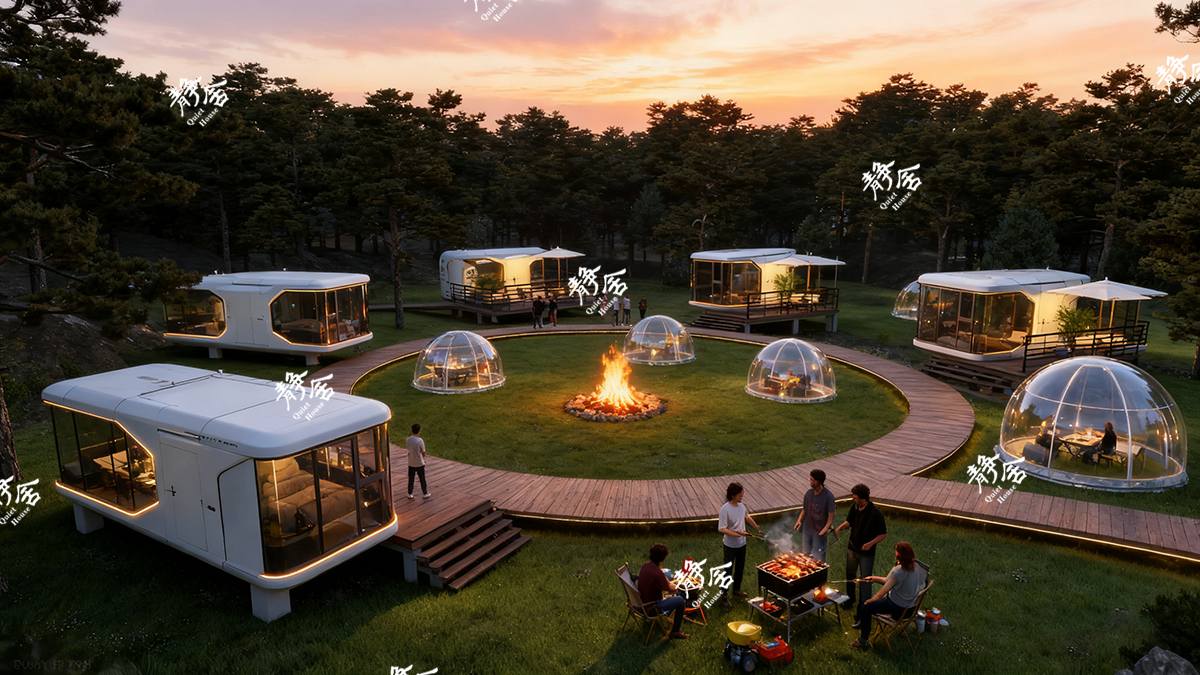
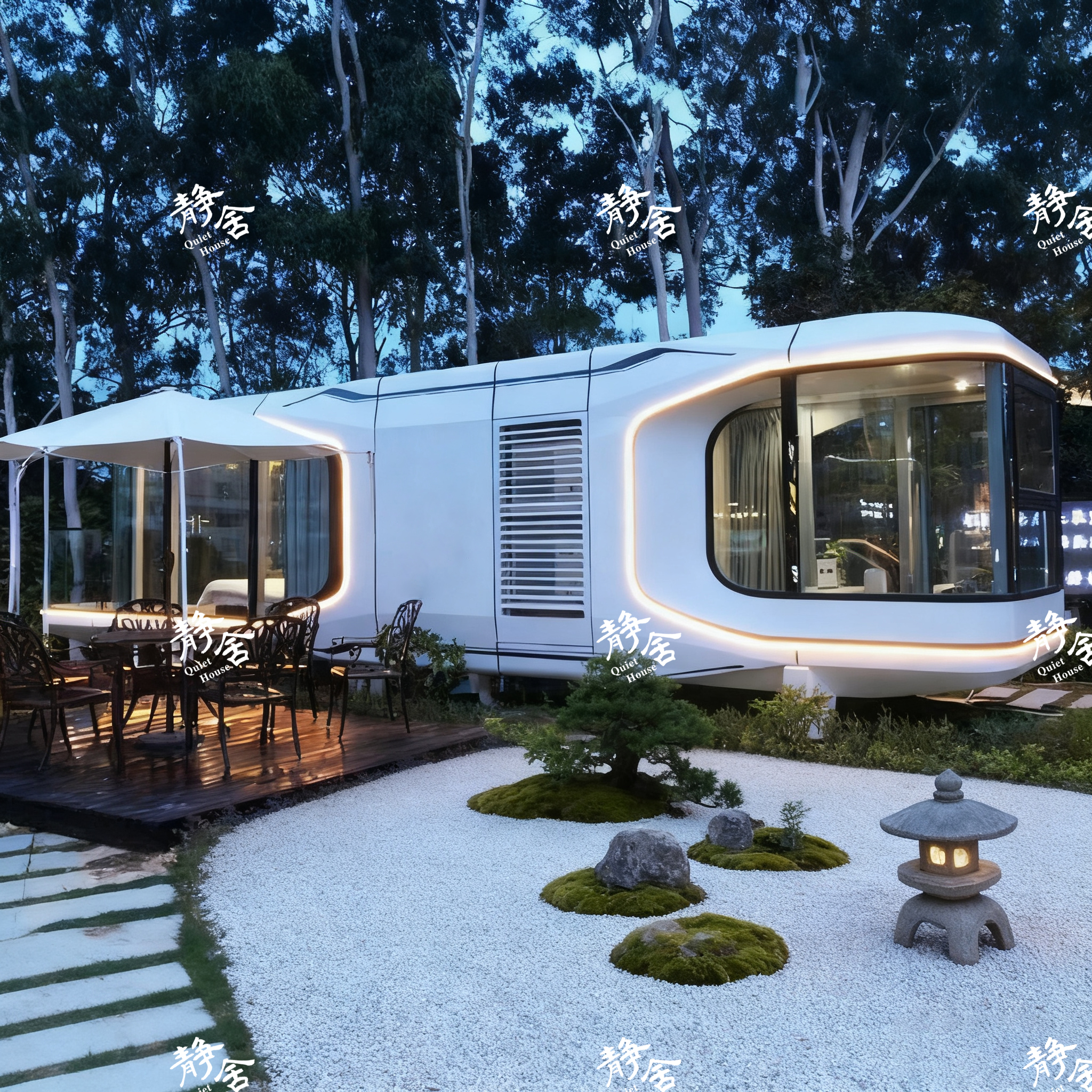
HUAJIA Capsule House offers modular units designed specifically to help buyers navigate these differences. Our cabins can be configured as either movable modules or semi-permanent units, allowing customers to choose the setup that best fits local tax rules and zoning requirements. This flexibility helps reduce compliance risk and makes deployment easier for personal users and business operators alike.

 Do Capsule Houses Require Taxes? What You Should Know Before Buying
 How to Maintain and Use Capsule Houses